
Herbal Lifestyle
The Herbal Revolution: Why More People Are Turning to Plant-Based Remedies

In recent years, there has been a noticeable shift towards more natural and plant-based remedies for treating various health issues. This trend, known as the herbal revolution, has gained traction as people seek alternatives to traditional pharmaceutical drugs and their potential side effects.
One of the main reasons for this surge in popularity of herbal remedies is the growing awareness of the harmful chemicals and additives present in many over-the-counter medications. Many people are becoming more conscious of what they put into their bodies and are looking for safer, more natural alternatives.
Furthermore, the increasing accessibility of information on the benefits of herbs and plants has contributed to the herbal revolution. With the rise of the internet and social media, it is easier than ever for people to educate themselves on the therapeutic properties of various herbs and how they can be used to address a wide range of health issues.
Herbal remedies have been used for centuries in traditional medicine systems such as Ayurveda, Traditional Chinese Medicine, and Native American healing practices. These time-tested remedies have now gained mainstream acceptance as more research is being conducted on their effectiveness and safety.
Another factor driving the herbal revolution is the desire for more personalized and holistic healthcare. Many people are opting for a more natural and integrative approach to their health, incorporating herbs and plants into their wellness routines alongside conventional treatments.
The benefits of using herbal remedies are numerous. Plants like ginger, turmeric, and garlic have anti-inflammatory and immune-boosting properties, while herbs like chamomile and lavender can help with stress and anxiety. Many herbs also have antioxidant and antimicrobial effects, making them useful for preventing and treating infections.
Despite the growing popularity of herbal remedies, it is important to remember that not all herbs are safe or effective for everyone. It is essential to consult with a healthcare professional or qualified herbalist before starting any herbal treatment, especially if you are pregnant, breastfeeding, or taking medications.
In conclusion, the herbal revolution represents a shift towards more natural and sustainable healthcare practices. As people become more aware of the benefits of plant-based remedies, we can expect to see a continued rise in the use of herbs and plants for overall wellness and healing. The herbal revolution is here to stay, and it is an exciting time for those looking to explore the power of nature’s medicine cabinet.
Herbal Lifestyle
Unlocking the Secrets of Herbal Remedies: How Plants Can Improve Your Life

Herbal remedies have been used for thousands of years to heal and improve various aspects of our lives. From boosting our immune system to reducing stress and anxiety, plants have a myriad of benefits that can enhance our overall well-being.
One of the key advantages of herbal remedies is their natural origin. Plants are rich in vitamins, minerals, and other nutrients that our bodies need to function properly. Unlike synthetic medications, herbal remedies are gentle on the body and often have fewer side effects. This makes them a safe and effective choice for those looking to improve their health without relying on pharmaceutical drugs.
Furthermore, plants have unique compounds that can target specific health issues. For example, ginger is known for its anti-inflammatory properties and can help alleviate muscle pain and reduce swelling. Echinacea, on the other hand, is a popular herb used to boost the immune system and fight off colds and flu.
In addition to physical health benefits, herbal remedies can also improve mental and emotional well-being. Many plants, such as chamomile and lavender, have calming properties that can reduce stress and anxiety. Others, like ginkgo biloba and ashwagandha, have been shown to improve cognitive function and enhance memory.
But unlocking the secrets of herbal remedies is not just about consuming plants in their natural form. With advancements in science and technology, researchers have been able to extract and concentrate the beneficial compounds from plants to create potent herbal supplements and remedies.
For example, turmeric, a bright yellow spice commonly used in Indian cuisine, contains a compound called curcumin that has powerful anti-inflammatory and antioxidant properties. By extracting and concentrating curcumin, researchers have developed turmeric supplements that can help reduce inflammation and protect against chronic diseases.
With the growing interest in natural medicine and alternative therapies, herbal remedies are becoming more mainstream and readily available. However, it is important to consult with a healthcare provider or herbalist before trying any new herbal remedies, especially if you are pregnant, nursing, or taking medication.
In conclusion, unlocking the secrets of herbal remedies can provide a wealth of health benefits for both the body and mind. Whether you are looking to boost your immune system, reduce stress, or improve cognitive function, plants have the potential to enhance your overall well-being in a safe and natural way. So next time you’re feeling under the weather or stressed out, consider turning to the healing power of plants for a natural remedy that can improve your life.
Herbal Lifestyle
Unleashing the Healing Power of Nature: The Herbal Lifestyle

In today’s fast-paced world, finding ways to reconnect with the healing power of nature has become more important than ever. One way to do this is by embracing the herbal lifestyle, which involves using natural remedies and treatments to promote overall health and well-being.
Herbal medicine has been used for centuries by various cultures around the world to treat a wide range of health issues. Plants have powerful healing properties that can help to improve physical, mental, and emotional health. From reducing inflammation and boosting immunity to promoting relaxation and improving digestion, herbs offer a holistic approach to wellness that can complement modern medicine.
One of the key benefits of the herbal lifestyle is its focus on natural, plant-based remedies. Unlike synthetic medications, herbal remedies are derived directly from nature and are often gentler on the body. This means that they are less likely to cause side effects or interact negatively with other medications, making them a safe and effective option for many people.
In addition to their physical healing properties, herbs also have the ability to promote emotional well-being and spiritual growth. Many traditional healing practices, such as Ayurveda and Traditional Chinese Medicine, view the mind, body, and spirit as interconnected, and use herbs to balance all aspects of a person’s health. By incorporating herbs into your daily routine, you can tap into the restorative power of nature and cultivate a sense of inner harmony and peace.
There are countless ways to incorporate the herbal lifestyle into your daily routine. You can start by adding medicinal herbs to your cooking, brewing herbal teas, or using essential oils for aromatherapy. Alternatively, you can create your own herbal remedies, such as salves, tinctures, and infusions, to address specific health concerns.
If you’re new to the herbal lifestyle, it may be helpful to consult with a trained herbalist or naturopath to guide you in selecting the right herbs for your needs. They can help you create a personalized treatment plan that addresses your unique health concerns and goals, and offer guidance on how to use herbs safely and effectively.
By embracing the herbal lifestyle, you can unleash the healing power of nature and experience a deeper connection to the natural world. Whether you’re looking to improve your physical health, cultivate emotional well-being, or deepen your spiritual practice, herbs can offer a natural and holistic approach to wellness that supports your overall health and vitality. So why not give it a try and see the transformative effects of the herbal lifestyle for yourself?
Herbal Lifestyle
Herbal Medicine: An Ancient Practice with Modern Benefits
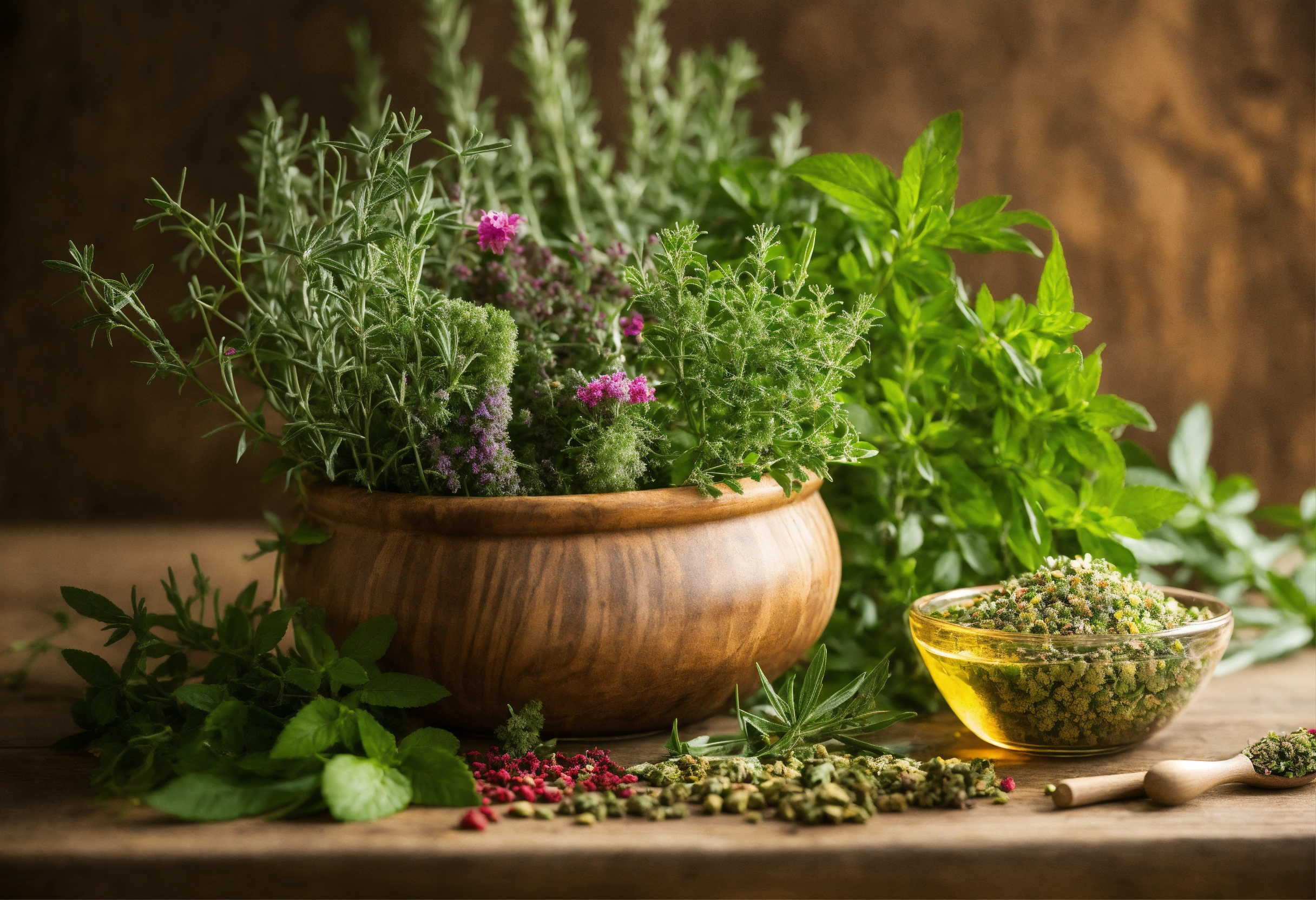
Herbal medicine, also known as herbalism or phytotherapy, is an ancient practice that involves using plants and plant extracts to treat various health conditions. This centuries-old tradition has been practiced by cultures all over the world, from ancient China and India to Native American tribes and the ancient Egyptians.
In recent years, there has been a resurgence of interest in herbal medicine as more and more people seek out natural and alternative remedies for their health concerns. While modern medicine certainly has its benefits, many people are turning to herbal medicine for its gentler approach and fewer side effects.
One of the key benefits of herbal medicine is its focus on treating the root cause of a health issue, rather than just masking symptoms. Many pharmaceutical drugs simply suppress symptoms without addressing the underlying cause of the problem. Herbal medicine, on the other hand, aims to address the root cause of an illness or imbalance in the body, leading to more long-lasting and holistic healing.
Another major benefit of herbal medicine is its safety and minimal side effects. Many pharmaceutical drugs come with a long list of potential side effects, some of which can be quite serious. Herbal remedies, on the other hand, are often much gentler on the body and tend to have fewer side effects. Of course, it’s important to remember that just because something is natural doesn’t mean it’s always safe. It’s always best to consult with a qualified herbalist or healthcare provider before starting any herbal treatment.
Herbal medicine also offers a wide range of options for treating different health conditions. There are countless herbs and plants with medicinal properties that can be used to treat everything from headaches and digestive issues to anxiety and insomnia. Herbal medicine can be used in various forms, including teas, tinctures, capsules, and topical preparations. This versatility makes it easy to tailor herbal treatments to individual needs and preferences.
While herbal medicine has been used for centuries, modern scientific research is starting to catch up with traditional knowledge. There is a growing body of research supporting the use of certain herbs for specific health conditions. For example, studies have shown that herbs like ginger, turmeric, and chamomile have anti-inflammatory properties, while others like valerian and passionflower can help with anxiety and insomnia.
Overall, herbal medicine offers a natural and holistic approach to health and wellness that can complement modern medical treatments. Whether you’re looking to incorporate herbs into your daily routine for general health maintenance or seeking an alternative treatment for a specific health concern, herbal medicine has a lot to offer. With its long history of use and growing body of scientific evidence, herbal medicine remains a valuable tool for supporting health and well-being in today’s modern world.